
Physical Pest Control for Livestock Farms: Minimize Insect‑Borne Diseases Without Chemicals
Solar‑powered physical traps help dairy farms, cattle ranches, horse studs and poultry facilities reduce biting insects without chemical residues.
In Australia and New Zealand, large‑scale livestock operations — dairy farms, cattle ranches, horse studs, sheep stations and poultry facilities — face a persistent, costly challenge: massive insect populations. Mosquitoes, stable flies and biting midges constantly harass cattle, horses, sheep and poultry. Beyond painful bites, these pests transmit insect‑borne diseases. Stress from insect irritation reduces feed intake, slows animal weight gain and lowers milk output. For farm operators, insect pressure directly translates to lost production and economic loss.
For decades, most farms relied heavily on chemical insecticides to suppress pest populations. Sprays and fogging deliver fast‑acting results, yet they carry well‑documented downsides. Repeated chemical use builds pest resistance over time. Chemical residues risk contaminating pasture, soil and water sources, threatening local ecosystems. Many modern‑day Australian livestock buyers, certification bodies and export‑oriented farms now enforce stricter environmental standards. Chemical‑heavy pest management is gradually becoming less desirable for sustainable grazing, organic‑oriented and export‑focused animal production. Farmers are actively searching for reliable, non‑toxic alternatives to safeguard animal welfare while meeting environmental compliance requirements.
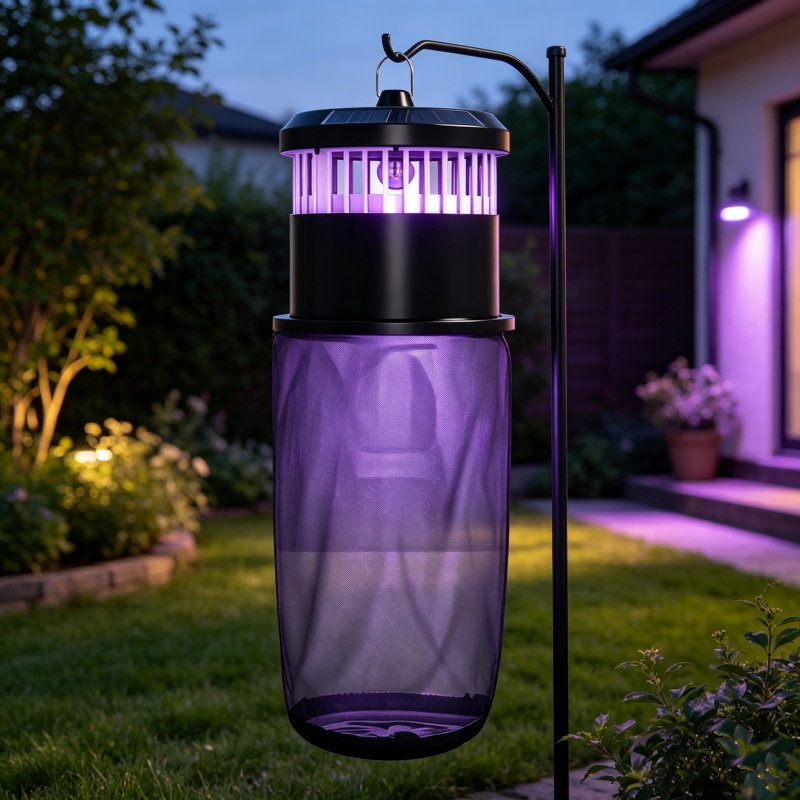 ▲ Large Australian dairy farm at dusk — outdoor environments where mosquitoes and biting flies thrive
Physical pest control offers a practical, sustainable shift for modern livestock sites. Instead of poisoning insects across wide areas, physical devices lure, trap and eliminate flying pests without pesticides. The goal is suppression rather than total eradication: bring insect pressure down to a manageable threshold, so biting‑related stress and disease transmission drop significantly. Effective farm pest management cannot rely on one single unit. Given the huge footprint of ranches, stables and barn complexes, true results come from building a three‑dimensional layered defence system, covering indoor housing, perimeter zones and open grazing land.
Outdoor open spaces represent the hardest segment to protect. Vast pastures, fence lines, stock yards and water trough areas are major insect breeding and activity hot‑spots. Hard‑wired equipment is often impractical here; laying power cables across sprawling farmland brings high installation cost and maintenance trouble. Solar‑powered ground‑insert insect trap lights solve this pain point perfectly. Requiring no cabling, these units are simply pushed into soil along farm boundaries, paddock edges and access pathways. They work as dual‑function units: UV light attracts flying insects for capture, while integrated lighting provides site illumination for farm pathways after dark. Portable relocation allows farmers to shift units seasonally, adjusting placement according to animal grazing zones and shifting pest hot‑spots.
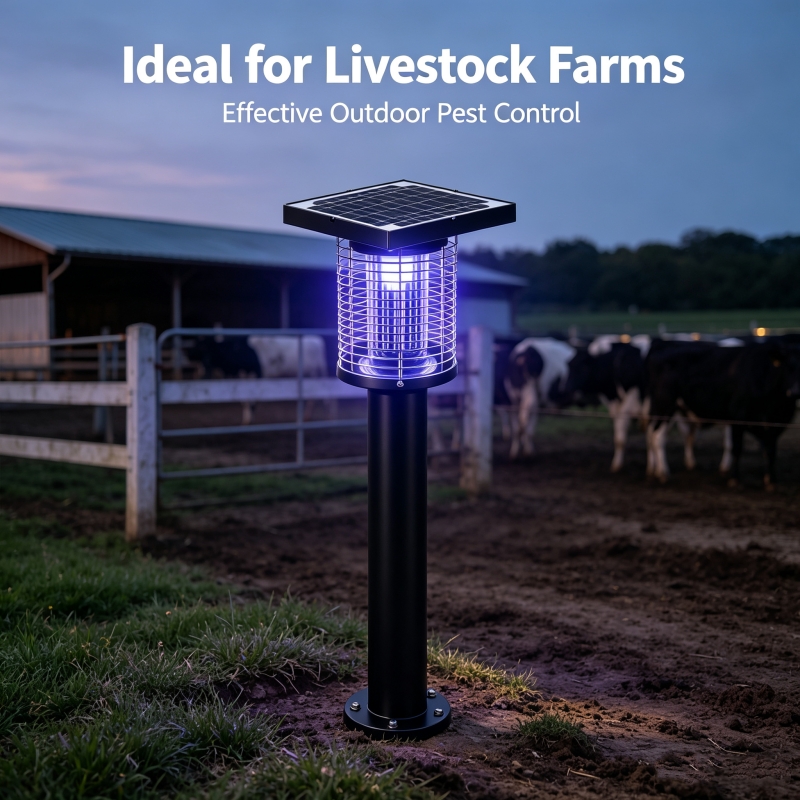 ▲ Solar ground‑insert traps along fence lines — zero cabling, portable, dual‑function (kill + light)
Solar ground‑insert models handle low‑to‑mid height perimeter protection. To extend coverage across broader open ranges, mid‑high mounted solar insect traps fill the upper‑layer defence. Installed on posts at elevated positions, they cast attraction coverage over far larger grazing areas, intercepting flying insects travelling across the pasture. Complementing outdoor setups, portable net‑collection style physical insect traps serve indoor and semi‑enclosed spaces. They fit inside barns, stables, horse stalls and poultry houses. Captured insects collect inside the removable net basket for easy disposal, with zero chemical exposure to housed animals.
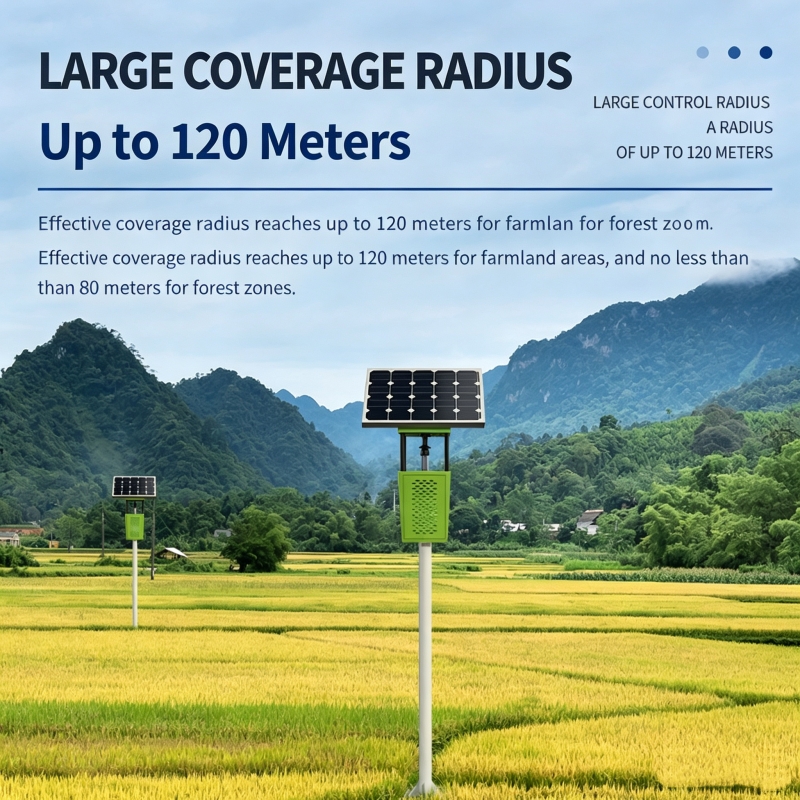 ▲ Mid‑high mounted solar insect traps covering open pasture — wide‑area attraction for flying pests
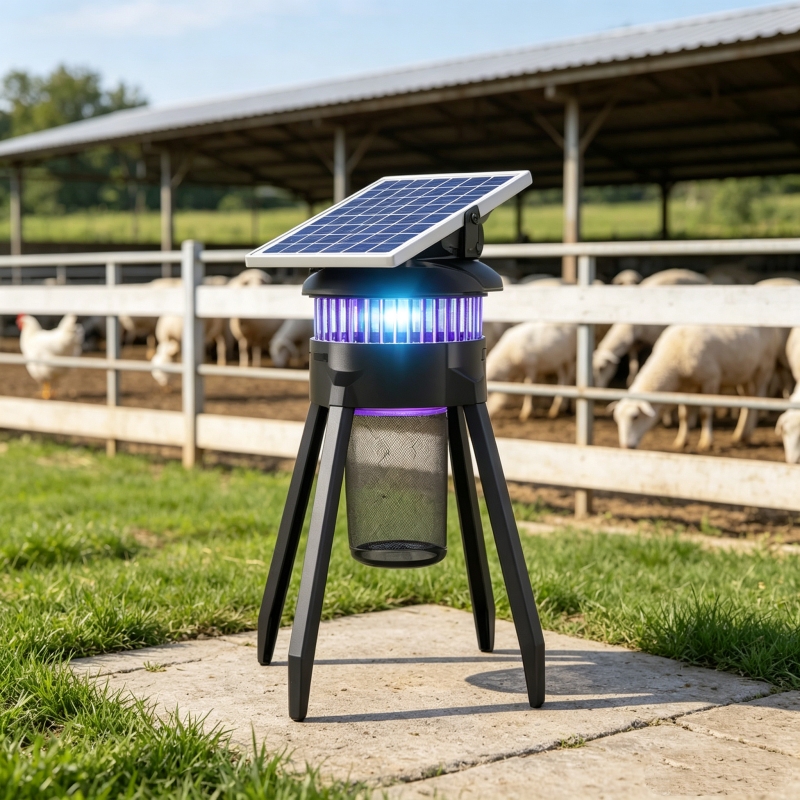 ▲ Portable net‑collection trap inside stables — chemical‑free protection for housed animals
Combined together: mid‑high solar units for wide open pastures, ground‑insert solar lights along fence‑lines and yards, plus portable net‑type traps inside animal housing. This layered physical setup forms a complete three‑dimensional pest‑suppression system from indoor barns out to expansive grazing land. It targets flying insects at different activity heights and locations across the whole farm site.
This physical solution brings clear advantages for Australian‑style livestock operators. First, zero chemical residues mean no risk to pasture, soil and water quality, aligning with sustainable agriculture and export‑farm compliance needs. Second, solar‑driven hardware removes cabling work, lowering installation labour cost for large sites. Units can be repositioned flexibly following seasonal pest movement or herd rotation. Third, dual‑purpose solar models deliver usable site lighting while performing pest control, adding practical extra value for farm infrastructure.
It is important to set realistic expectations. Physical traps suppress insect populations, rather than achieving 100 % pest elimination. Best outcomes come from reasonable quantity deployment and rational placement along insect flight routes. When properly deployed, the system noticeably reduces biting frequency and lowers the risk of insect‑transmitted illness among cattle, horses, sheep and poultry.
As sustainable farming requirements keep rising across Australia and New Zealand, physical layered pest control is evolving from an optional extra to a sensible long‑term investment for livestock businesses. Moving away from over‑reliance on chemical spraying, multi‑layer solar‑assisted physical insect suppression helps protect animal welfare, preserve the local environment and support stable farm productivity.
Protect Your Livestock — Without Chemicals
Whether you manage a dairy farm, cattle ranch, horse stud or poultry facility, we offer solar‑powered physical pest control solutions for wholesale and project‑level cooperation. OEM/ODM available.