
Why Adhesive Formulation Matters – Manufacturer vs. Trader
When sourcing adhesive raw materials for glue board production, not all suppliers are the same. The gap between a true formulator and a commodity trader can mean the difference between consistent field performance and silent product failure. Here's what OEM manufacturers and PCO buyers need to know.
1. Formulator vs. Trader – What's the Real Difference?
The adhesive supply chain has two distinct types of players. Understanding the difference is the first step toward making a better sourcing decision.
| Aspect | Commodity Trader | True Formulator (Peizhi Trading) |
|---|---|---|
| Source of Glue | Buys finished adhesive from third-party factories | Designs and manufactures from raw resins |
| Control Over Recipe | None — sells what they can source | Full control — can adjust viscosity, tack, and temperature profiles |
| Customization | Limited to pre-made formulations | Custom climate-adapted formulas for tropical, arid, and frigid regions |
| Batch Consistency | Varies by source and batch | Strict process control — every batch is tracked and tested |
| Technical Support | Minimal — they don't know the chemistry | Direct access to formulation engineers |
A trader buys finished adhesive in bulk from a manufacturer, repackages it, and sells it to board converters. They control nothing — not the recipe, not the raw material quality, not the performance consistency.
A formulator starts with base components — resins, tackifiers, plasticizers, and stabilizers — and builds the adhesive from scratch. Every batch is engineered to meet specific performance parameters.
At Peizhi Trading, we are the latter. When an OEM partner sends us a request for a rodent glue board adhesive, we don't check a catalog. We go to the lab, select the right polymer system, adjust the formulation, and run a pilot batch for testing. This is what "custom adhesive formulation" actually means.
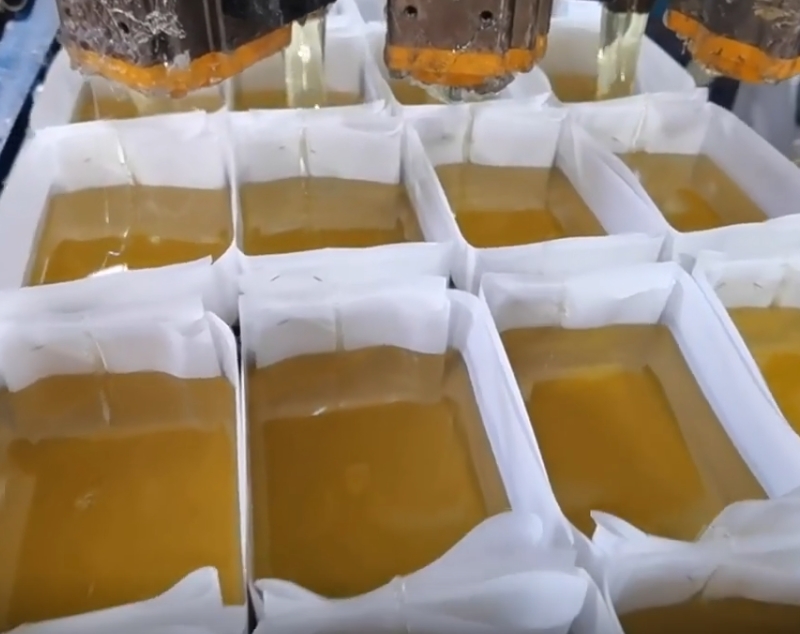 ▲ In-house R&D lab — where formulation starts from raw resins
2. The Raw Materials That Make It Work
Great adhesive starts with great raw materials. We work with premium suppliers to source fully hydrogenated polymers, high-performance tackifying resins, and specialized plasticizers that ensure long-term stability.
What Each Component Does
- Resins – Provide the backbone structure of the adhesive. They determine the base cohesive strength and the upper-temperature resistance.
- Tackifiers – Add the "stickiness." They control how quickly the adhesive grabs a surface and how much initial tack it has.
- Plasticizers – Modulate flexibility and viscosity. They determine how the adhesive flows during application and how it behaves at low temperatures.
- Stabilizers and Anti-Oxidants – Extend shelf life and prevent degradation during storage and UV exposure.
We don't compromise on raw material grade. Fully hydrogenated polymers cost more — but they deliver non-drying performance, consistent viscosity, and 3+ years of shelf life. Our OEM partners choose us for batch-to-batch reliability, not just price.
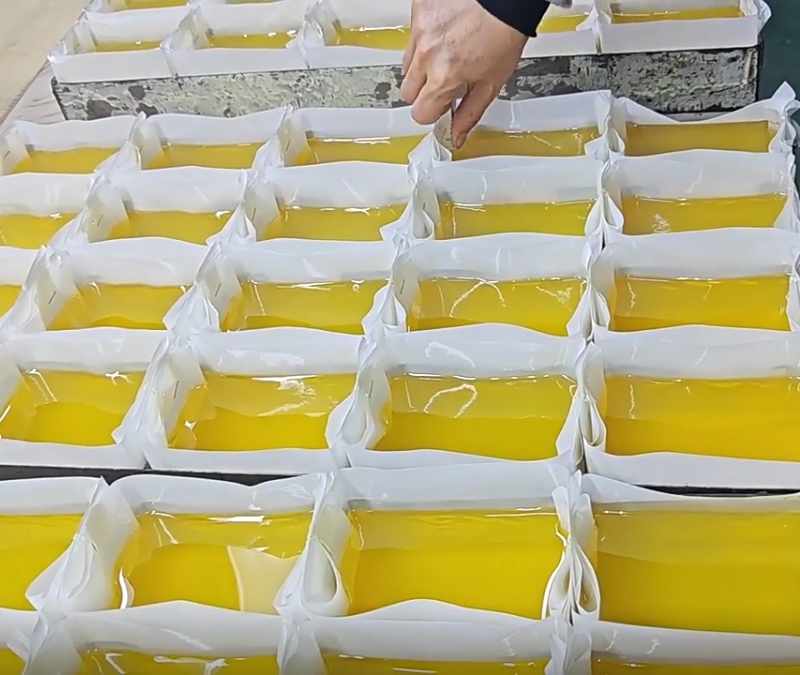 ▲ Production floor — in-house manufacturing from raw material to finished adhesive
3. Climate-Adapted Formulation – The Engineering Standard
One formula does not fit all climates. A rodent glue board that works well in a temperate climate will fail in tropical heat, Middle Eastern dryness, or Russian winter.
We maintain three distinct formulation families, each tuned to a specific climate zone:
| Climate | Conditions | Formulation Adjustments |
|---|---|---|
| 🌴 Tropical | 30–35°C / 85% RH, high humidity | Higher softening point, anti-hydrolysis stabilizers |
| 🏜️ Arid | 40–50°C dry heat, intense sun | Slow-evaporating plasticizers, anti-skinning additives |
| ❄️ Frigid | -15°C to -20°C, cold storage | Low-Tg polymer blends, flexible at freezing temperatures |
This isn't a marketing claim. It's our engineering standard — developed over years of export data from Southeast Asia, the Middle East, and Russia. When we ship a container of rodent glue raw material, we know it will perform in the climate where it lands.
4. Watch: Rat Glue Raw Material – 10-Second Demo
See our JN-4181 rodent glue raw material in action — showing high tack, UV resistance, and anti-flow properties. This is what a true formulation looks like:
5. What This Means for OEM Partners
For glue board converters and PCO manufacturers, choosing a raw material partner is a long-term decision. The adhesive you use directly affects:
- Board performance in the field
- Customer satisfaction and repeat orders
- Return rates and warranty claims
- Production line efficiency
When you partner with us, you get:
- Customizable formulations – We adjust viscosity, tack, and temperature profiles to your production line
- Climate-specific options – We recommend the right formula for your destination market
- Batch traceability – Every lot is tracked and sampled
- Technical support – We help you optimize application parameters (temperature, coating speed, open time)
We don't just supply materials. We help you build better glue boards.
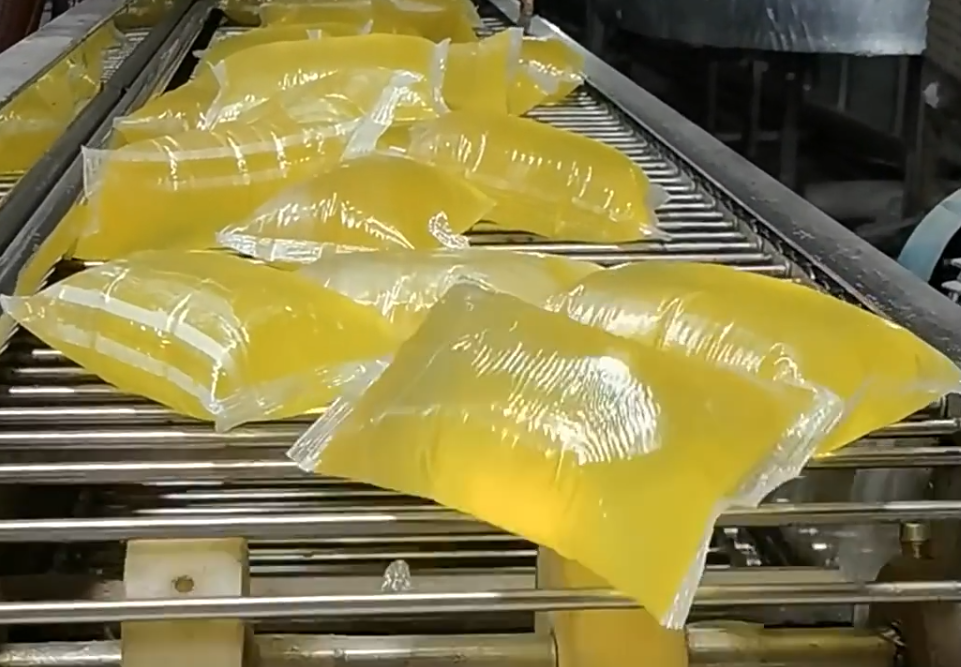 ▲ Bulk packaging and quality assurance — ready for global OEM partners
Ready to Work with a Formulator, Not a Trader?
If you are currently sourcing adhesive raw materials from a distributor or trader, we invite you to explore the difference that a custom-formulated system can make. We offer samples, technical consultations, and production-scale testing for qualified OEM partners.